It’s easy to get swept up in the excitement of the summer ahead and overlook the small, yet incredibly important things that make a big difference to our safety. Taking a few simple precautions can help ensure that your summer is not only fun, but safe. From staying hydrated and wearing sunscreen to keeping an eye on your surroundings and following basic safety guidelines, it’s often the little actions that prevent the biggest problems.
Be smart about swimming
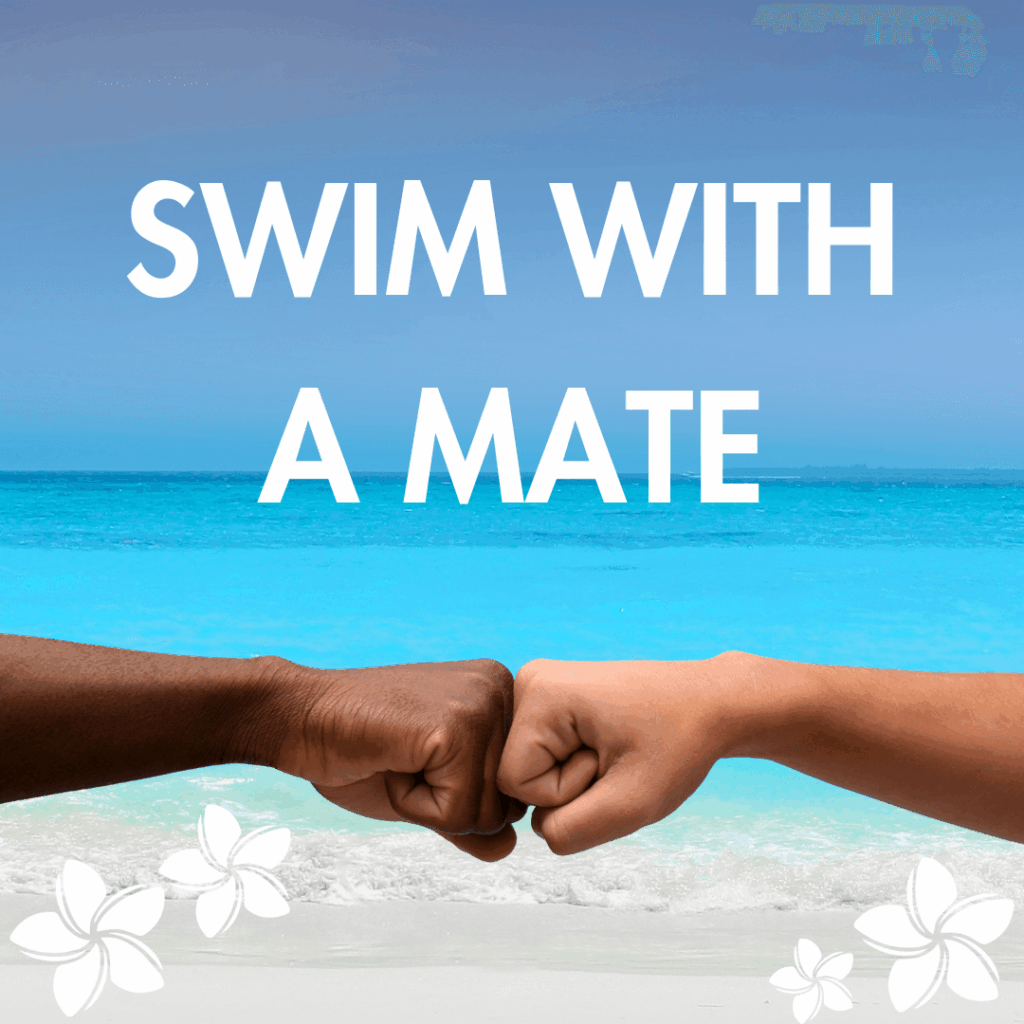
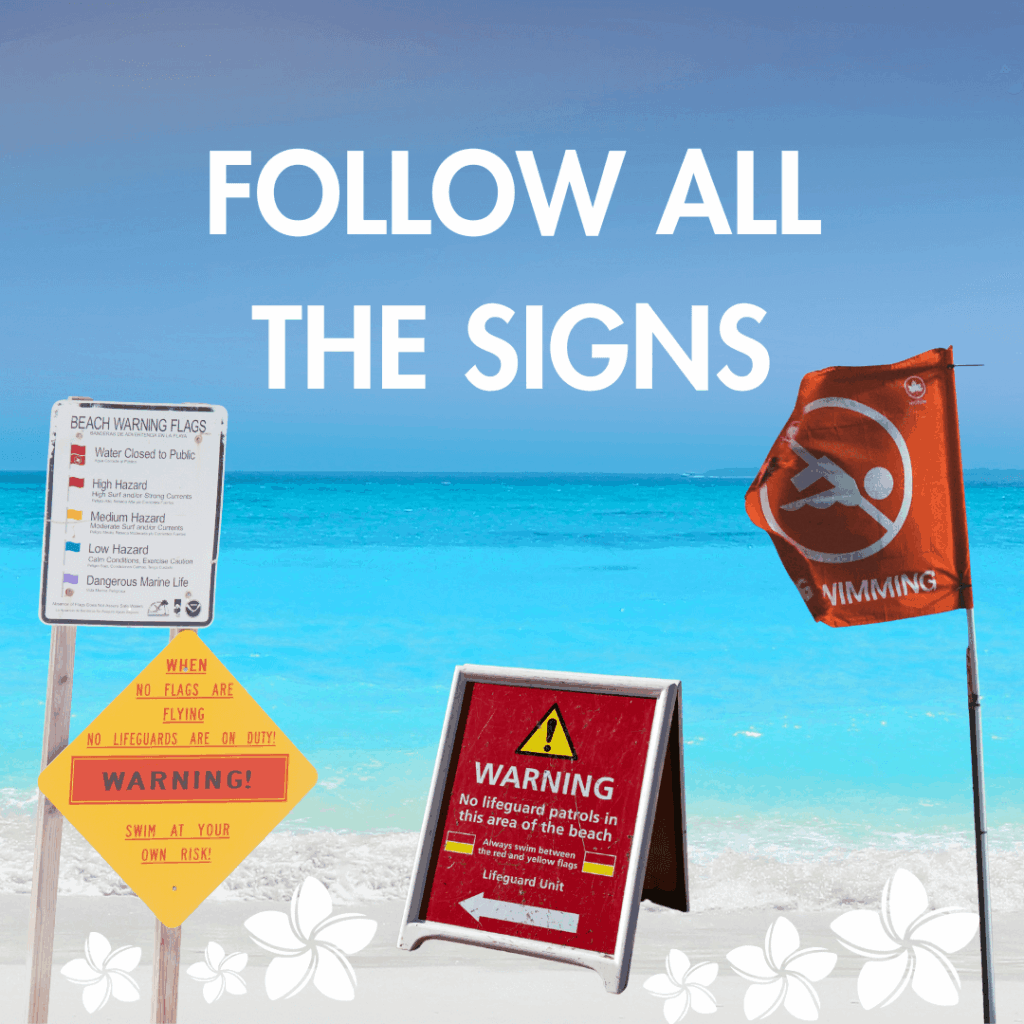
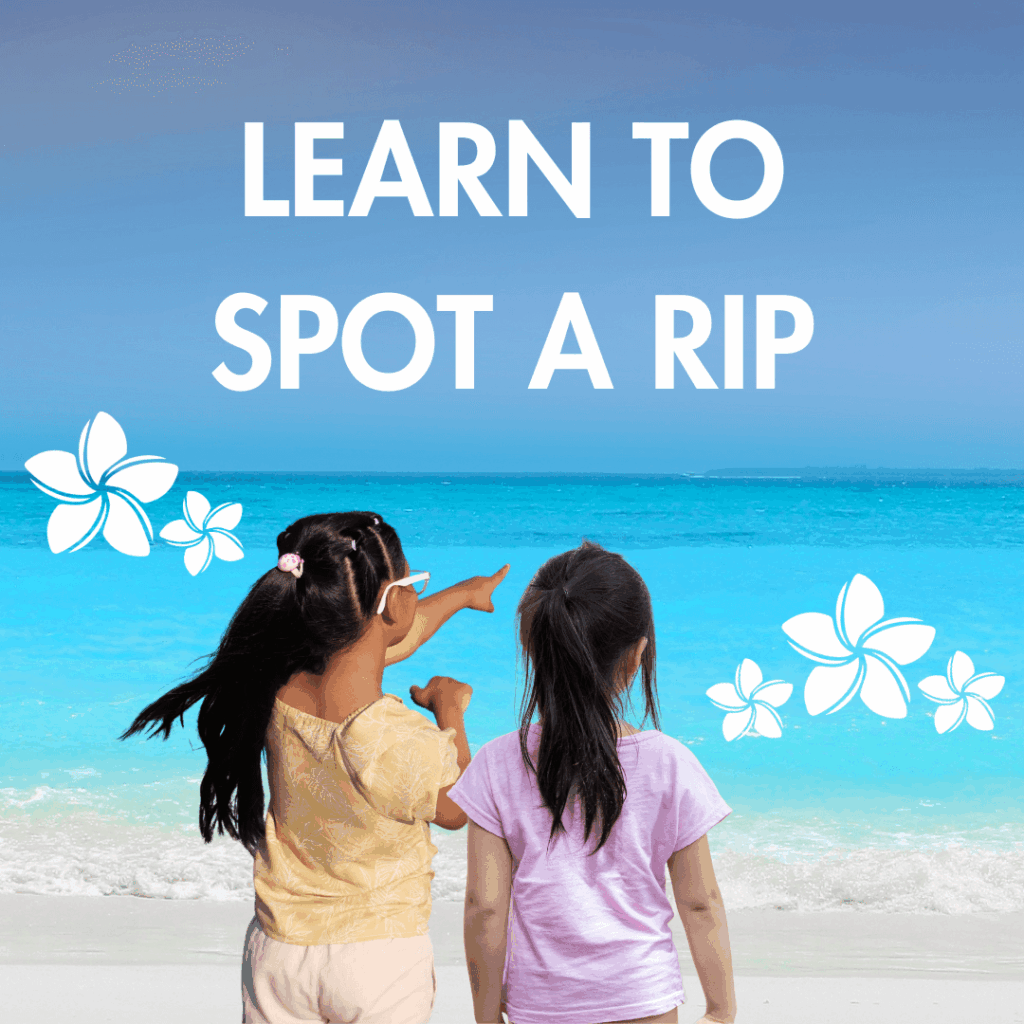
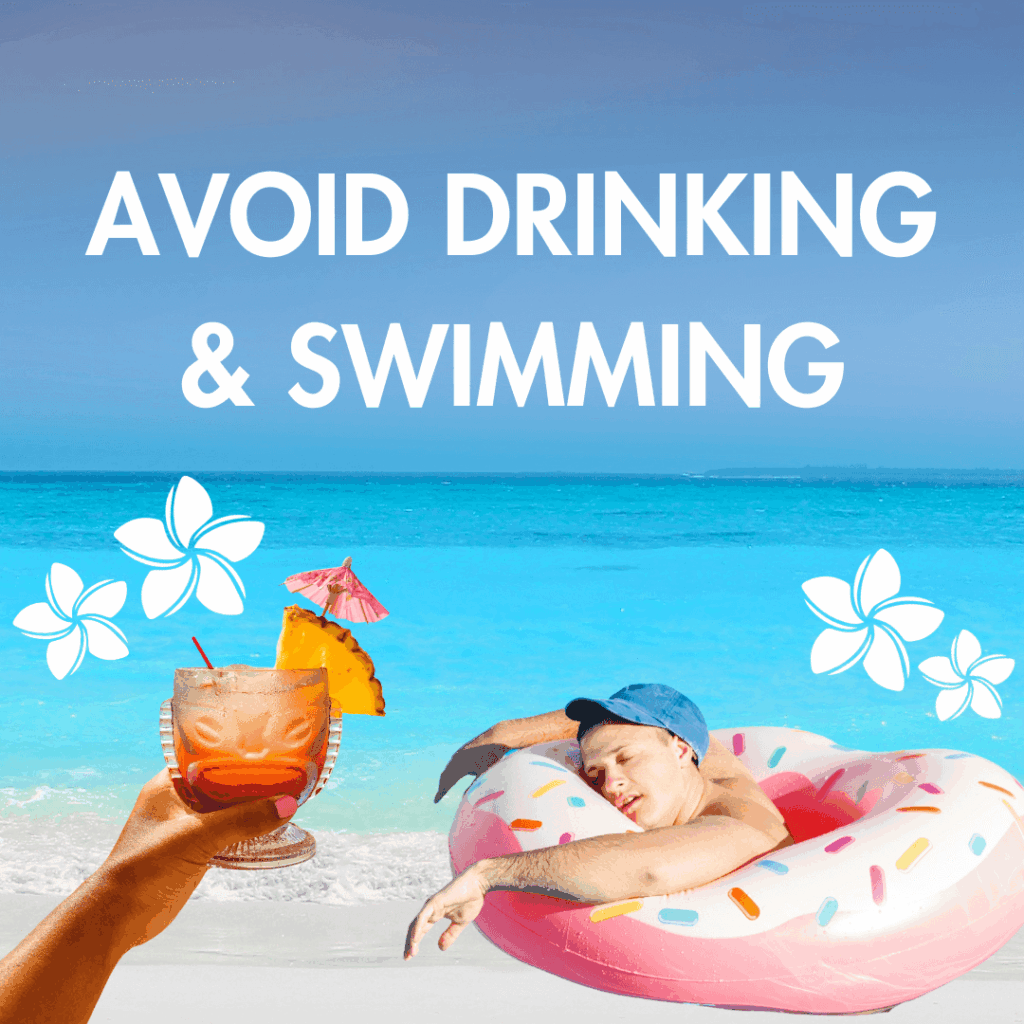
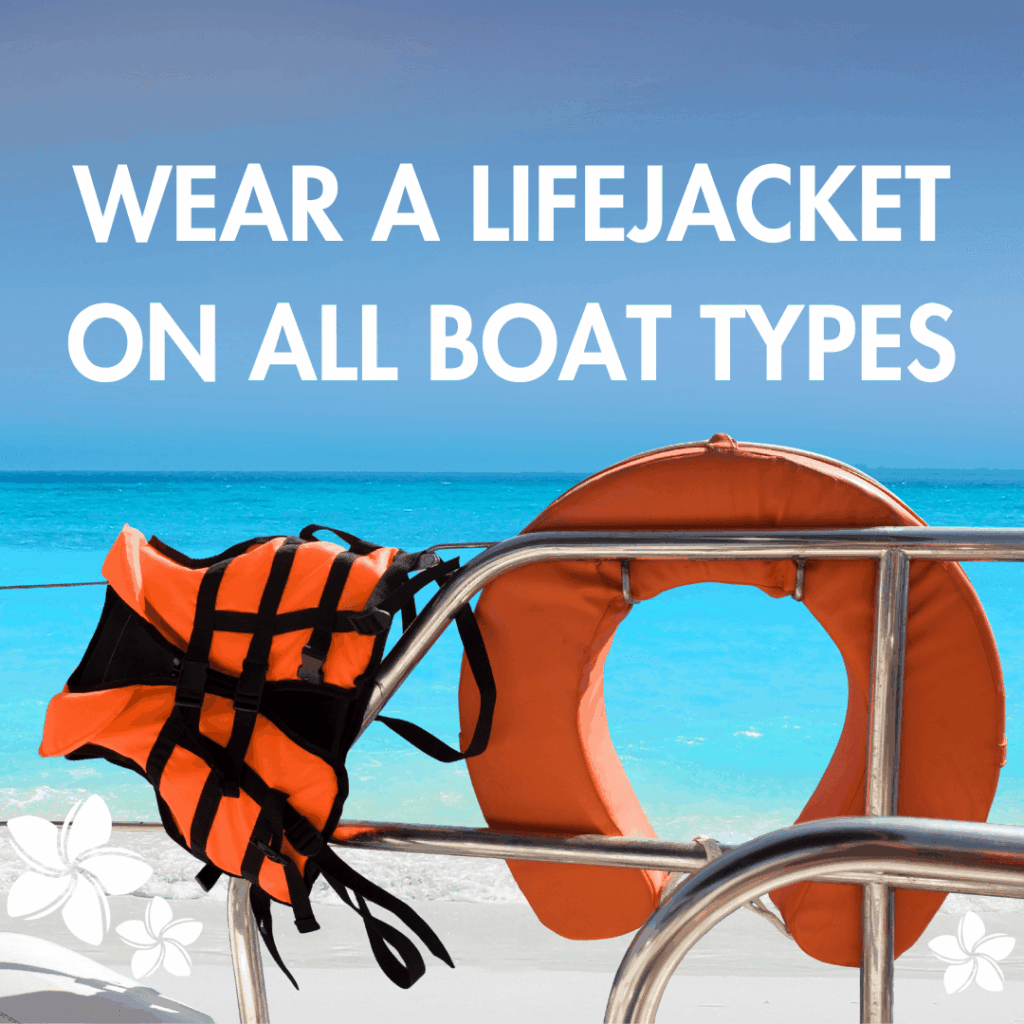
Drownings are a serious but preventable risk. Recent reports show that Māori and Pasifika people have higher than average drowning risk in Aotearoa. Simple safety steps, like swimming with a buddy, wearing life jackets, and learning water skills, can help save lives.
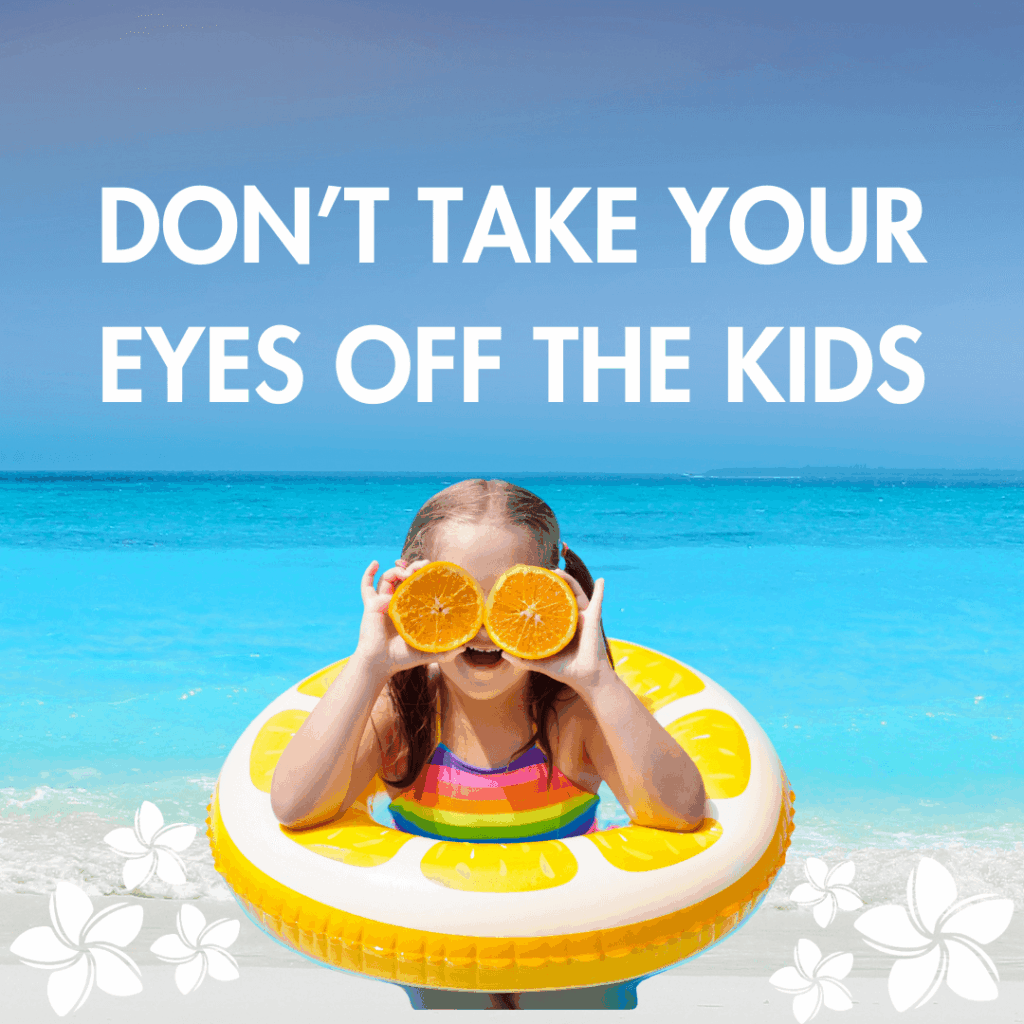
Remember that little ones can get into trouble quickly – even in shallow water. so they should always be within arm’s reach of an adult. Keep your focus on them at all times (no phones, no distractions), make sure they’re wearing proper flotation devices, and choose swimming spots with lifeguards whenever possible. Remember: children don’t splash or shout when they’re in danger — they go silent. Staying close, alert, and engaged is the best way to keep them safe while they enjoy the water.
Keep drama out of the kitchen
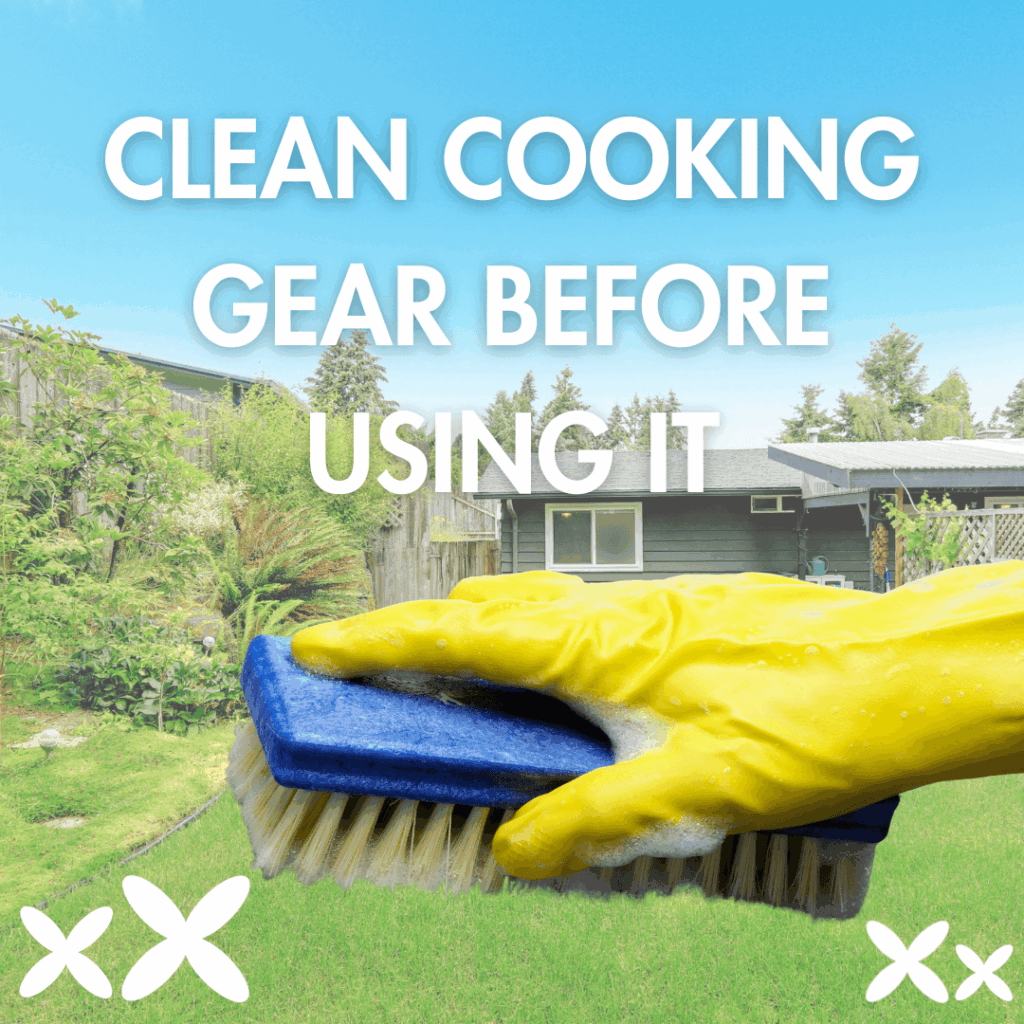
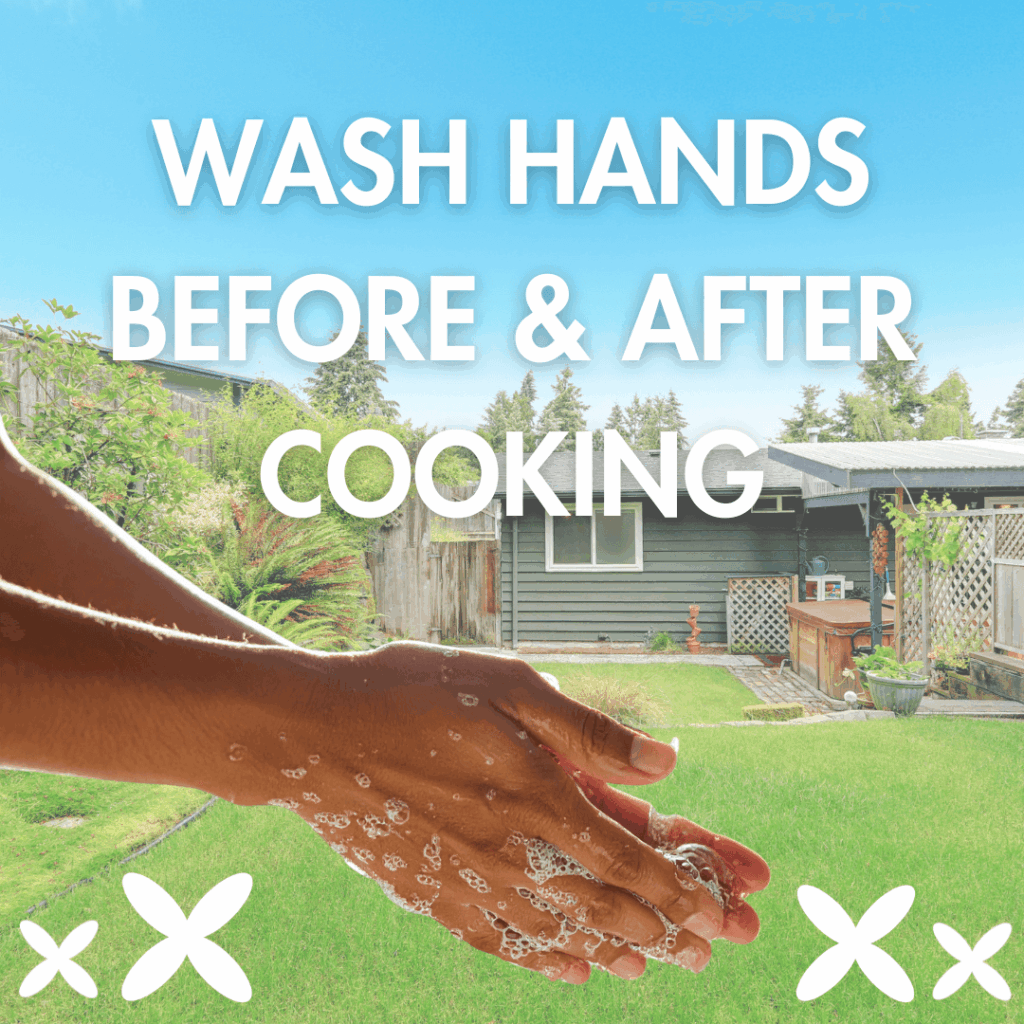
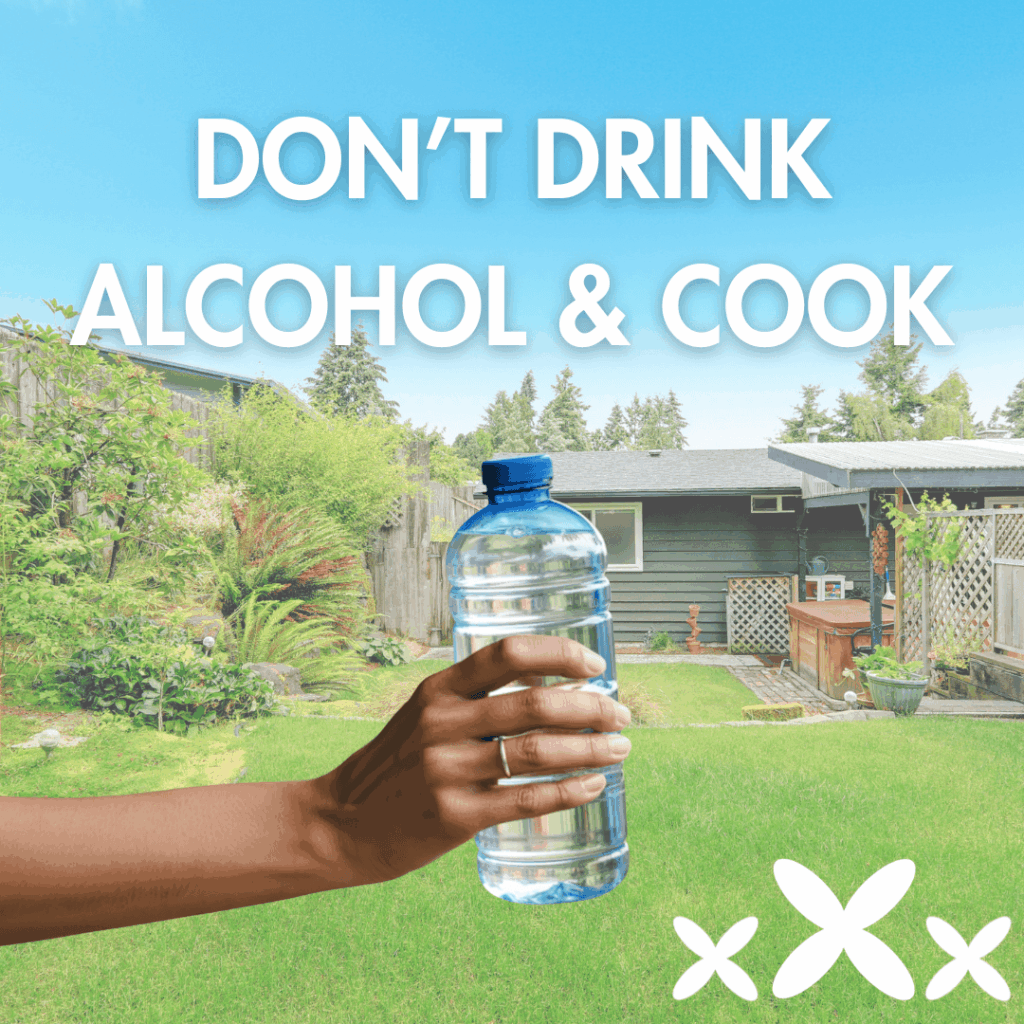
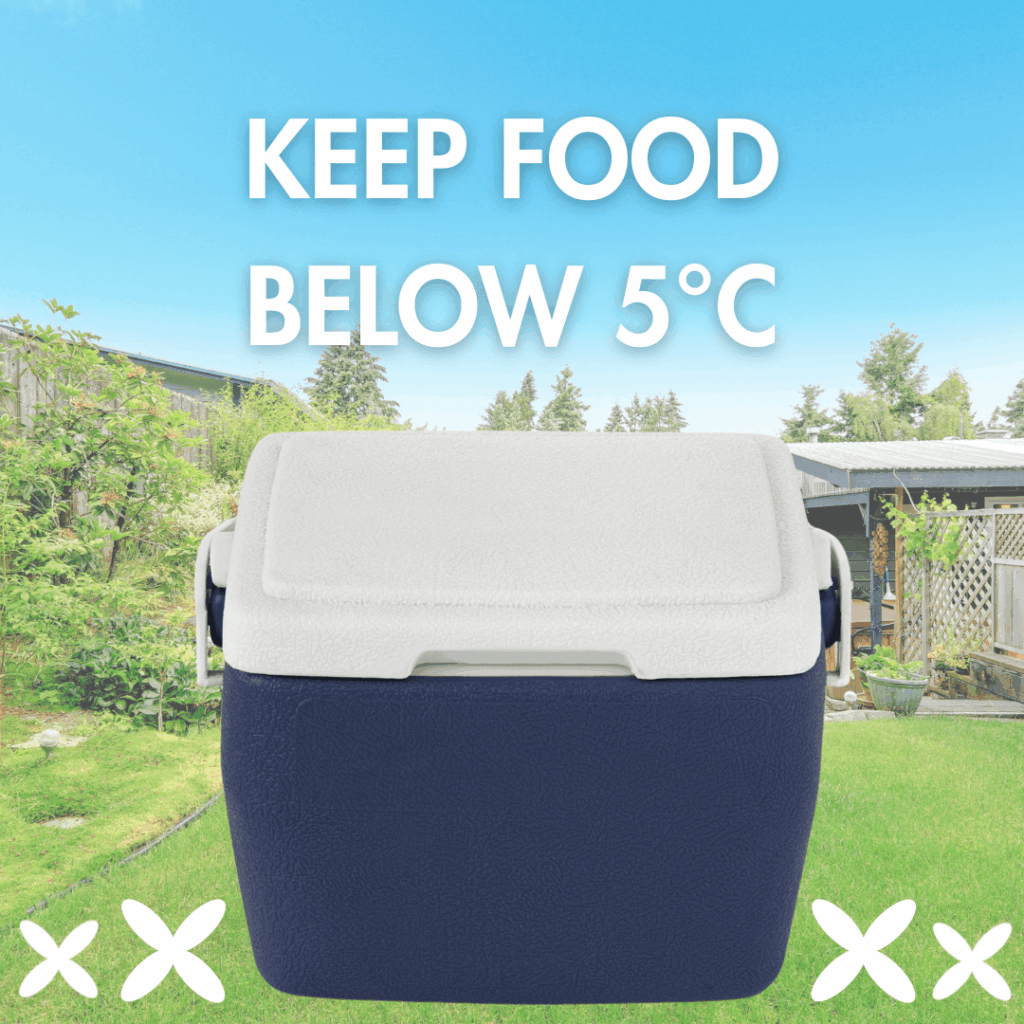
Food is at the heart of the festive season, bringing whānau and friends together. Preparing the food itself brings opportunities for creating lasting memories – both good, and bad. ACC reported that over 4141 claims were made during the 2023-2024 holiday season for baking, barbecuing and carving alone.
Let’s make good memories this summer, and have a little more caution when it comes to our meals. Simple precautions, like using oven mitts, handling knives carefully, keeping children away from hot surfaces, and cleaning up spills promptly, can prevent accidents and keep everyone safe.


Mr Golden Sun
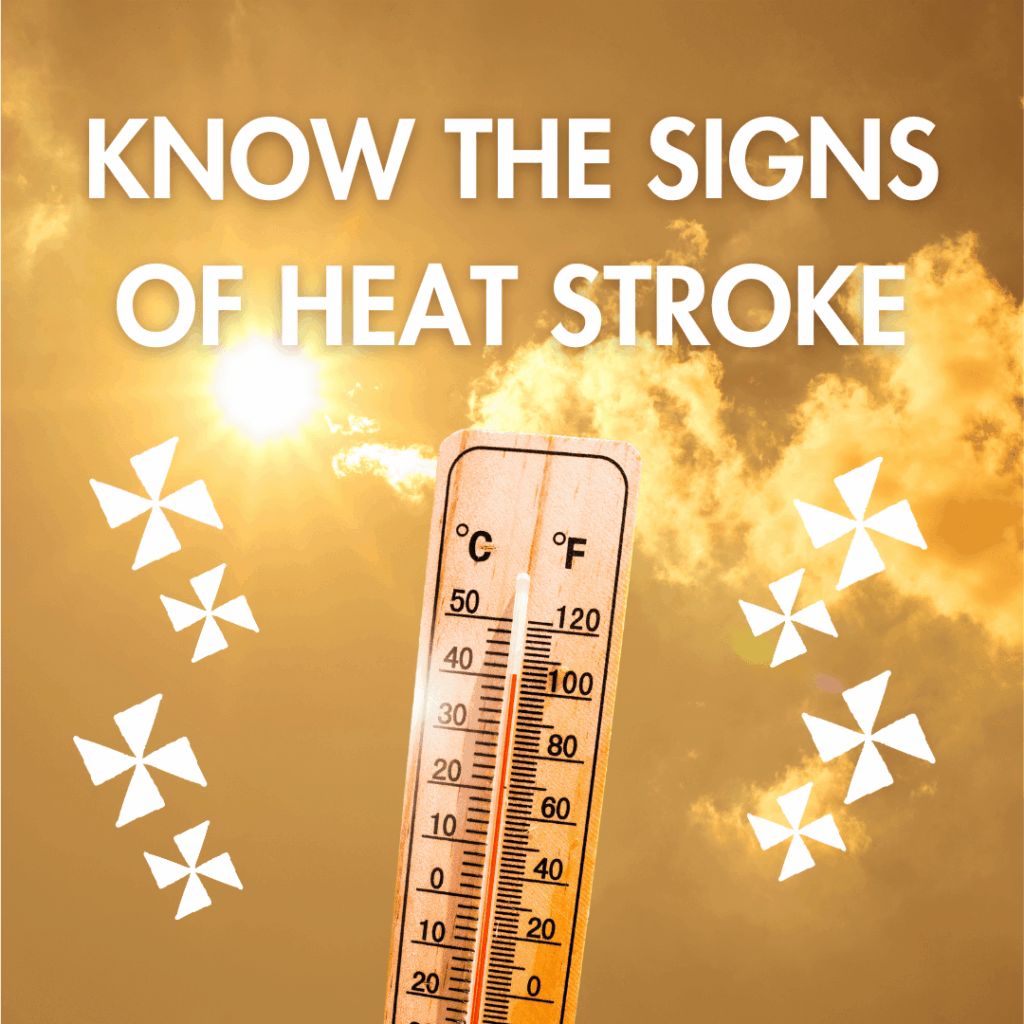
Hot summer days can quickly lead to dehydration or heatstroke. Drink plenty of water, take breaks in the shade, and avoid prolonged exposure during peak heat hours (10 am–4 pm). Light, breathable clothing helps your body stay cool, and watching for signs of dizziness or nausea in children and elders can prevent serious health issues.
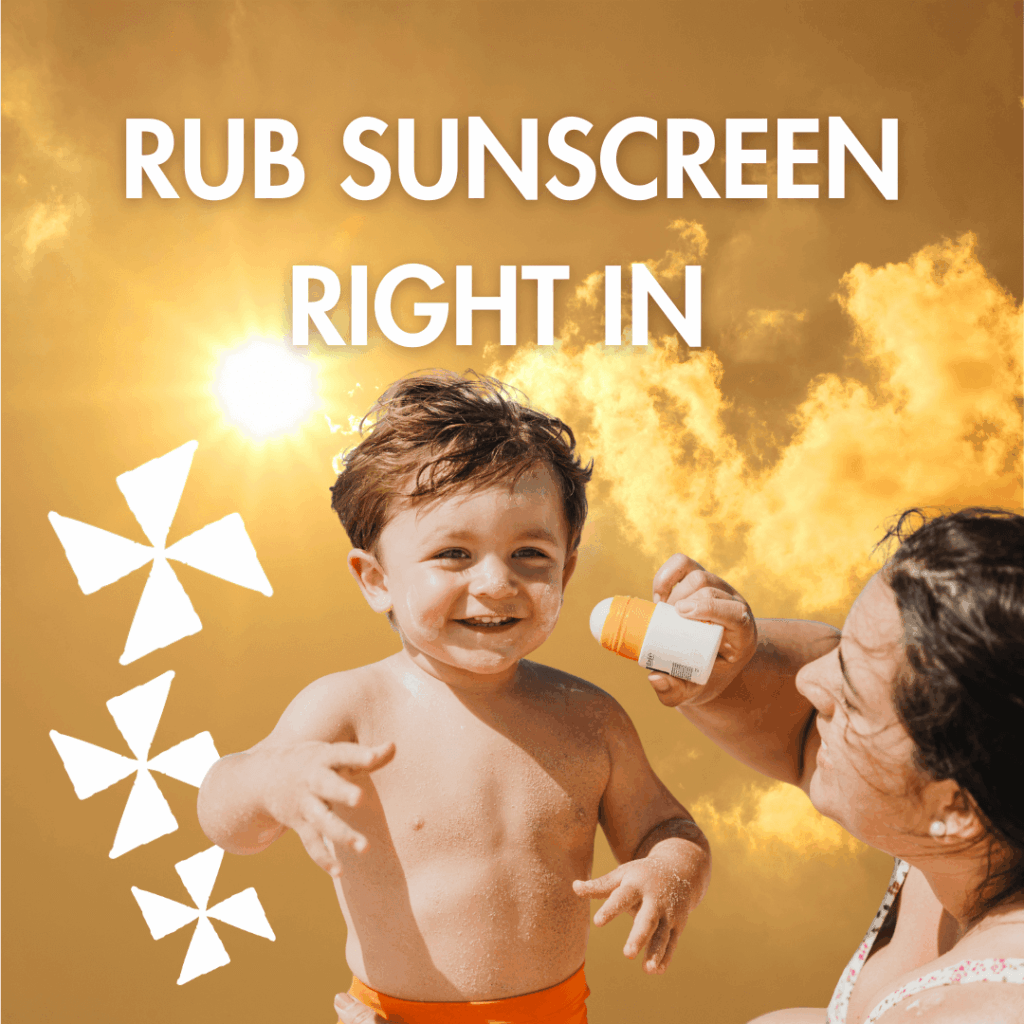
It takes less than 15 minutes to get sunburnt, and during summer when being outdoors is all the rage, it’s easy to forget to protect your skin. New Zealand has some of the highest rates of skin cancer in the world, caused by overexposure to UV radiation – i.e. the sun. Taking a few minutes to be sunsmart can help protect your skin and reduce your risk of skin cancer in the long run.

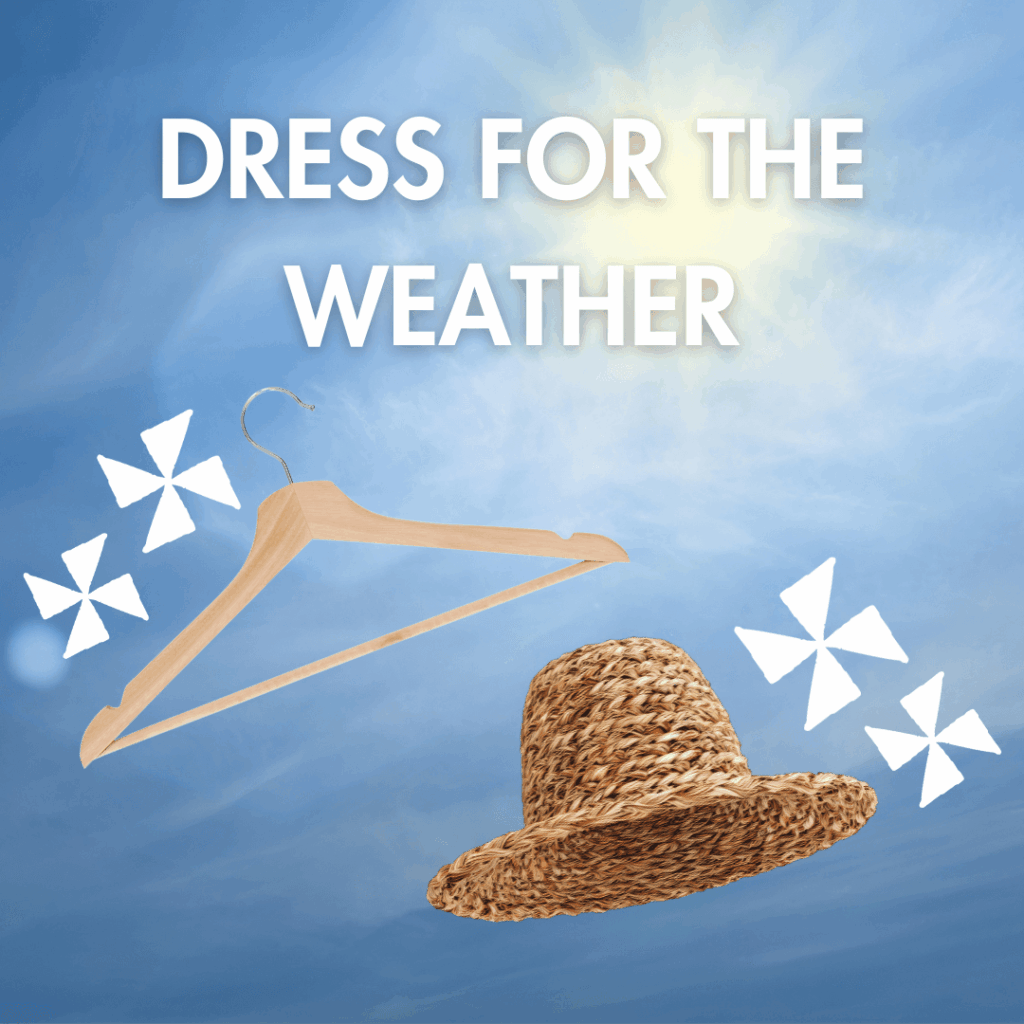
Don’t let your holiday end on the road
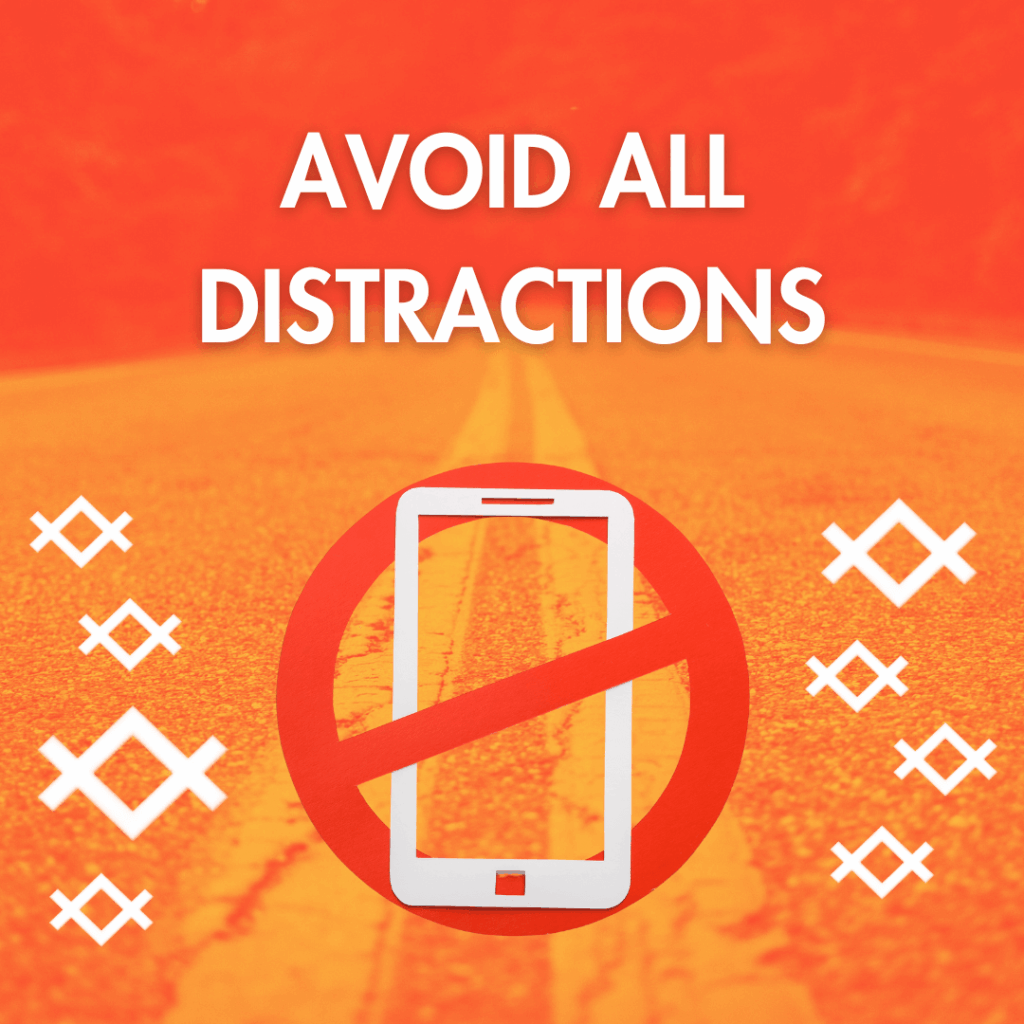
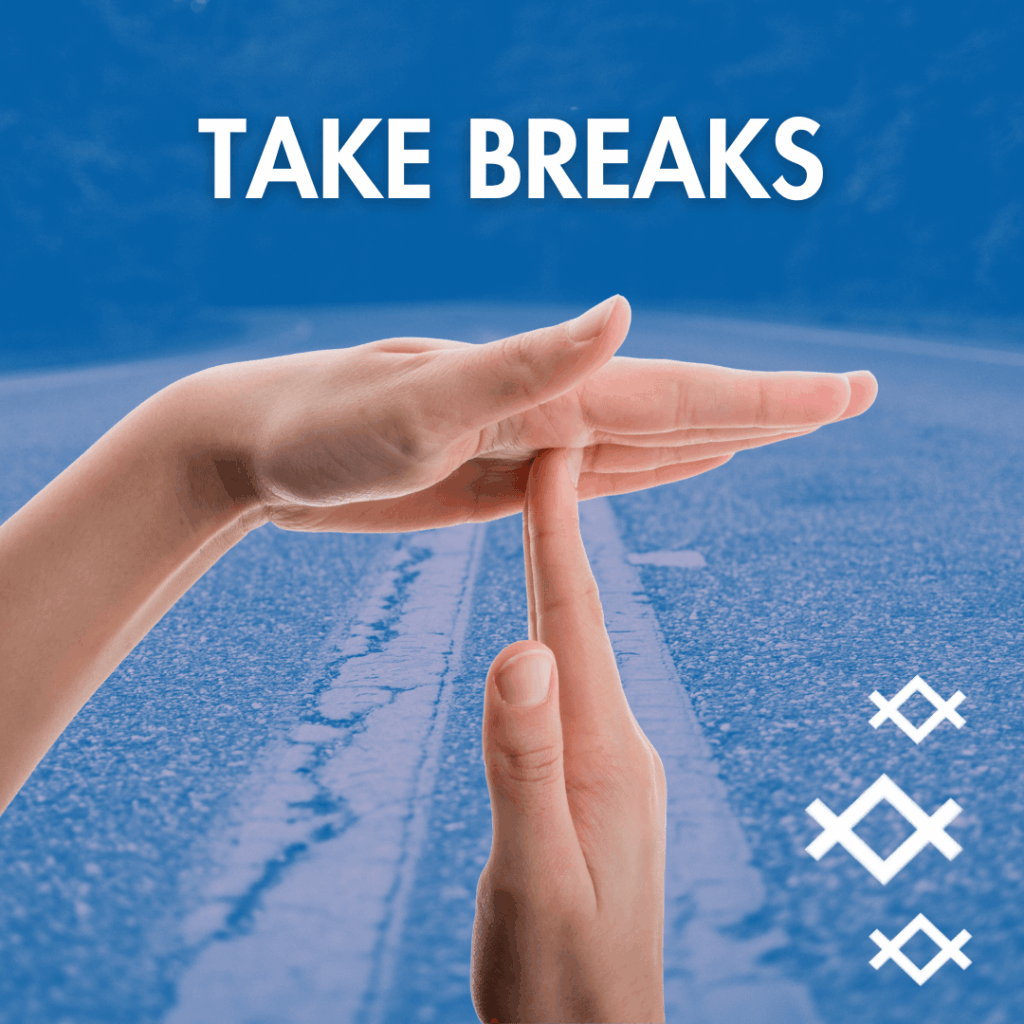
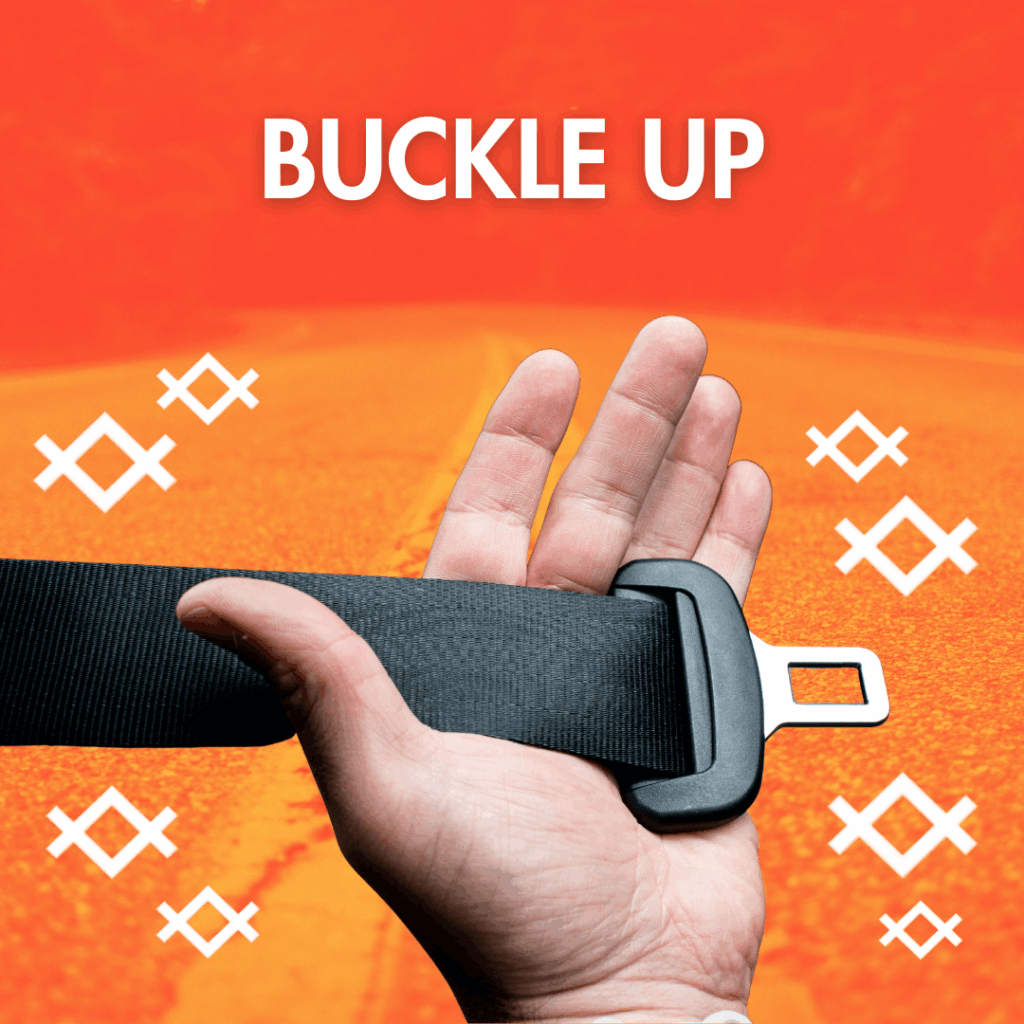
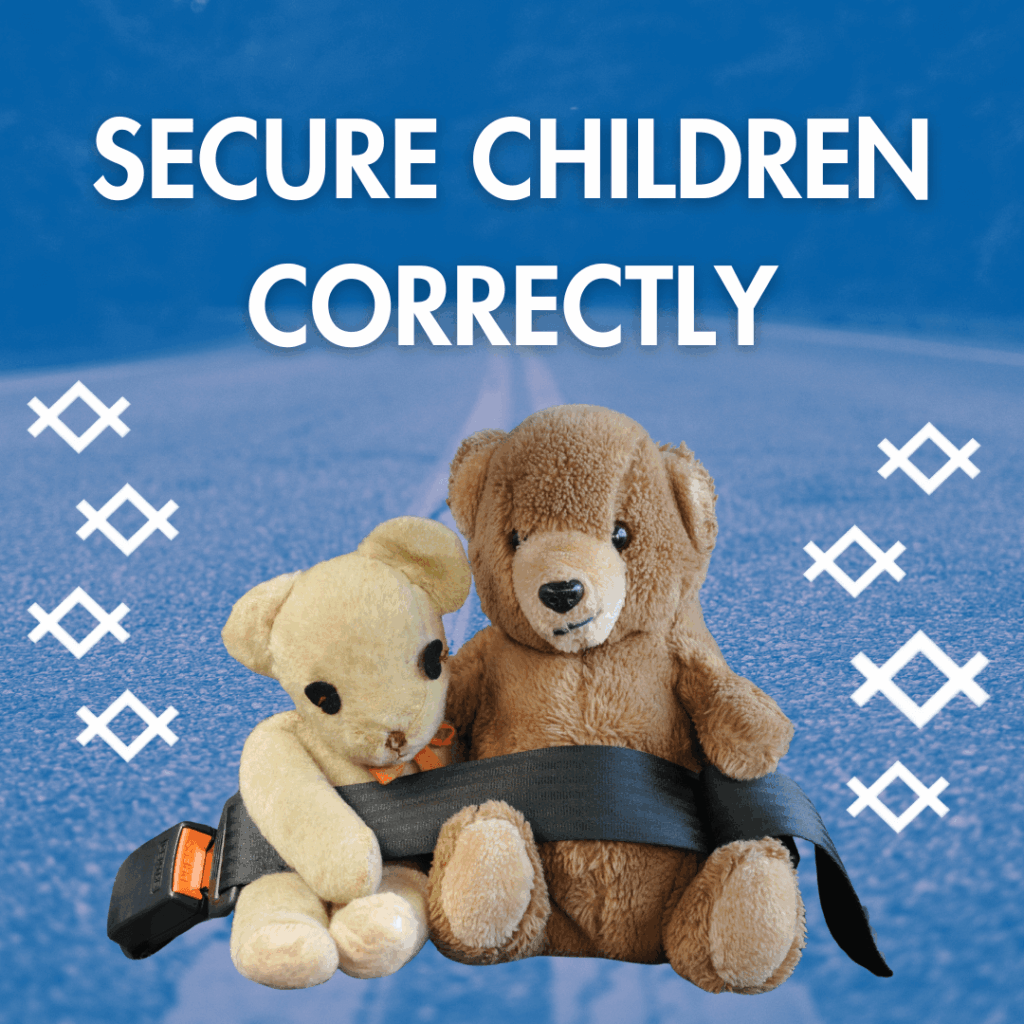
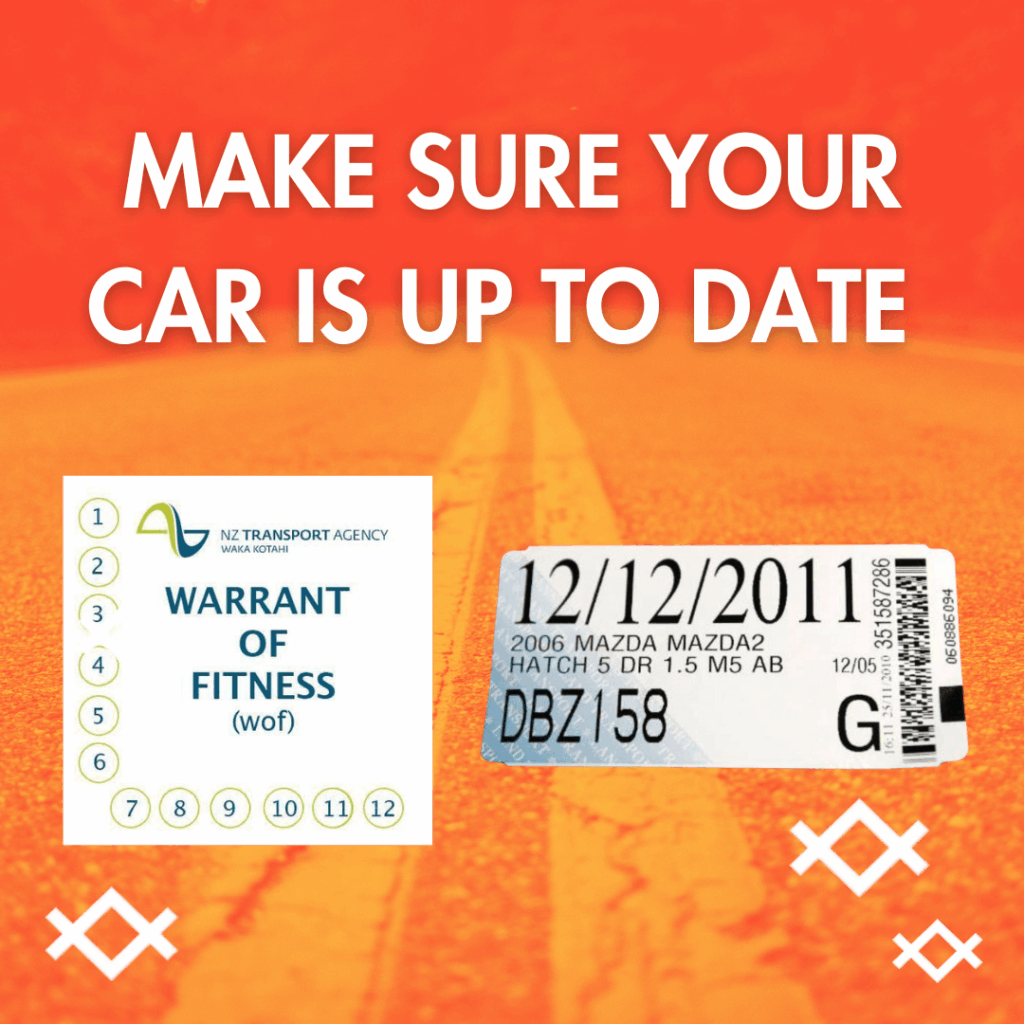
Summer is a time for road trips, beach drives, and family outings – but it’s also one of the busiest and most dangerous times on New Zealand roads. Hot weather, increased traffic, and fatigue can lead to more accidents. Drivers, passengers, cyclists, and pedestrians all need to stay alert. Simple precautions like wearing seatbelts, avoiding alcohol, and taking breaks can make every journey safer. Staying vigilant and prepared can help ensure your summer travels end on a high note.
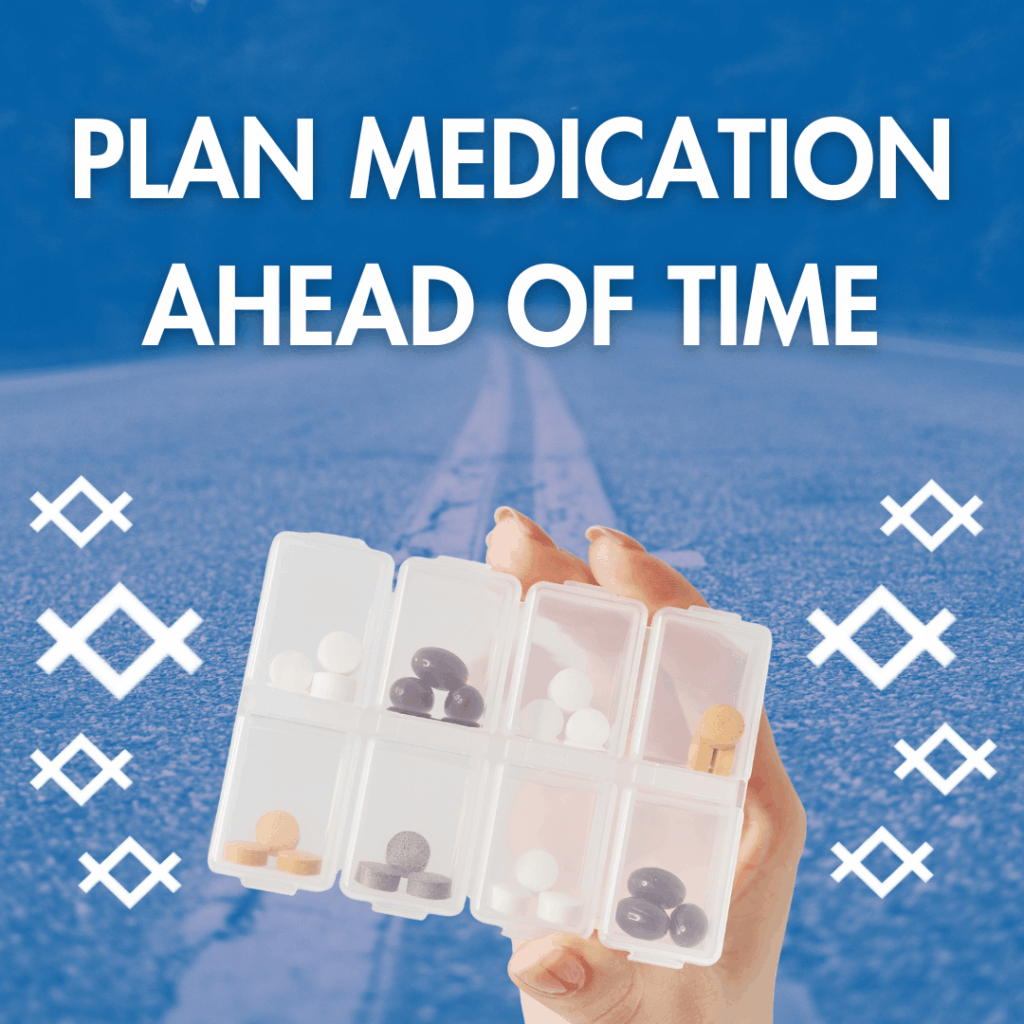
As summer continues, it’s important to stay on top of your health while enjoying the warmer weather. Whether it’s managing summer allergies, staying hydrated, getting travel vaccinations, or booking a routine check-up, our team is here to support you and your whānau. Southpoint Family Doctors is open from 5 January, and we welcome patients to book appointments early to avoid the post-holiday rush. Your health doesn’t take a summer break-and neither do we.